What is Rabbit Gut Stasis?
Definition and Mechanism
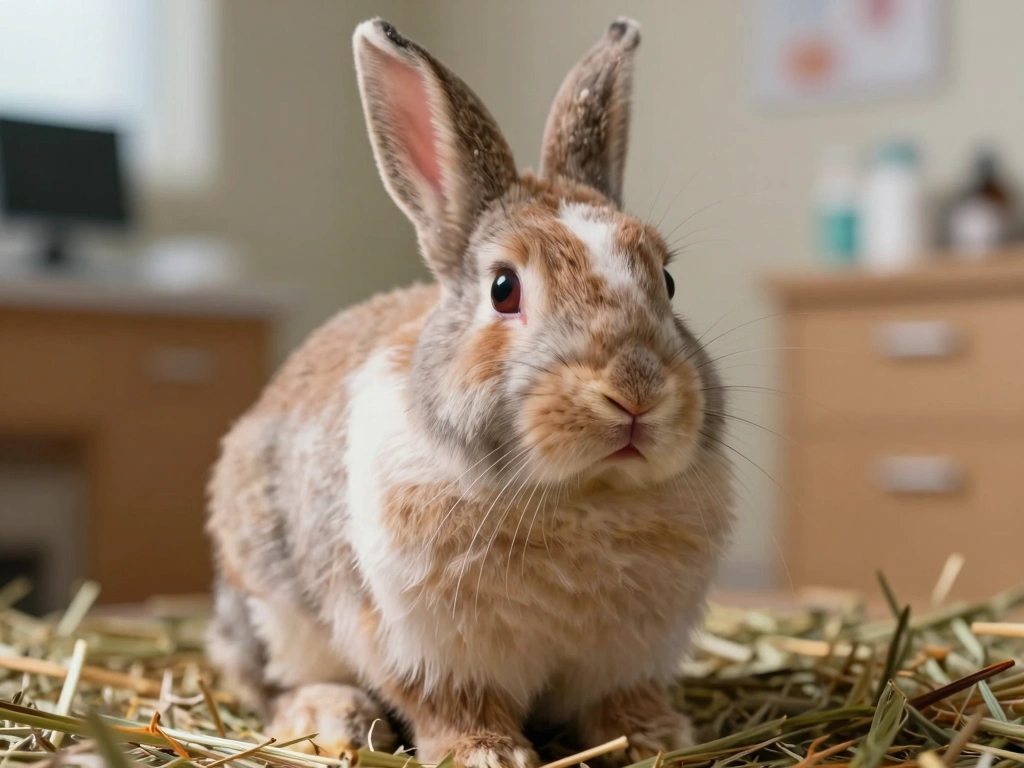
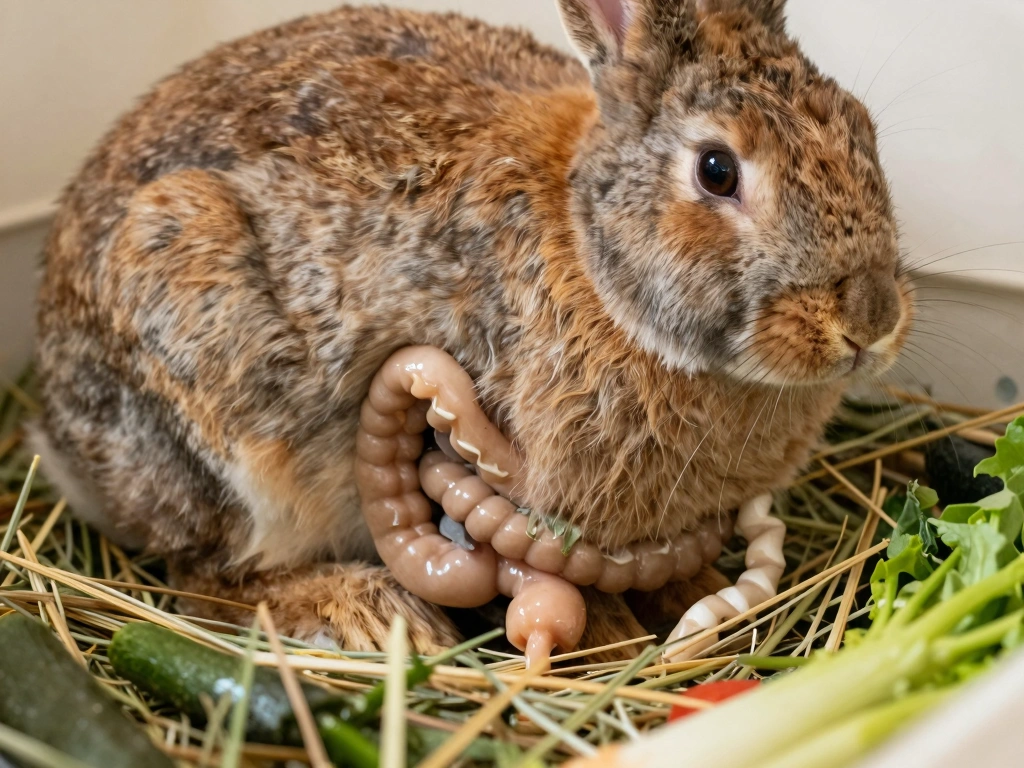
Rabbit gut stasis, also known as gastrointestinal stasis or ileus, is a serious condition that occurs when the normal movement of the digestive tract slows down or stops altogether. This condition is particularly alarming in rabbits due to their unique digestive systems, which rely heavily on a constant flow of food and fibrous material to function properly. When food does not move through the gastrointestinal tract, it can lead to a buildup of gas, causing pain and potentially life-threatening complications.
The mechanism behind gut stasis involves a disruption in the normal peristalsis—the rhythmic contractions of the intestinal muscles that help propel food through the digestive system. When these contractions are impaired, the gut becomes stagnant, leading to a host of problems, including bloating, discomfort, and ultimately, the risk of rupture or necrosis of the intestinal tissues.
Common Causes of Gut Stasis
Understanding the common causes of rabbit gut stasis is crucial for prevention and early intervention. Some of the primary causes include:
- Dietary Issues: A diet low in fiber, such as one primarily consisting of pellets, can lead to gut stasis. Rabbits require a high-fiber diet, mainly composed of hay, to maintain healthy gut motility.
- Stress: Changes in environment, the introduction of new pets, or loud noises can stress rabbits, leading to gastrointestinal issues.
- Illness: Underlying health conditions, such as dental disease or infections, can cause pain and inhibit normal gut movement.
- Dehydration: Lack of access to fresh water can lead to dehydration, which affects the gut's ability to function properly.
- Medications: Certain medications, particularly opioids used for pain management, can slow down gut motility.
Symptoms to Observe
Recognizing the symptoms of gut stasis early can be the difference between life and death for a rabbit. Common signs to watch for include:
- Decreased Appetite: A rabbit may show little to no interest in food, which is often the first sign of a problem.
- Changes in Fecal Output: A reduction in fecal pellets or the presence of small, hard droppings can indicate stasis.
- Abdominal Distension: A bloated abdomen may be visible or can be felt when gently palpating the rabbit’s belly.
- Grooming Changes: A rabbit may stop grooming itself, leading to a matted coat.
- Lethargy: Decreased activity levels or unusual behavior can indicate discomfort or pain.
The Impact of Gut Stasis on Rabbit Health
Effects on Digestion and Nutrient Absorption
When a rabbit experiences gut stasis, the immediate effect is a significant slowdown in digestion. The digestive tract becomes unable to effectively break down food, leading to malabsorption of nutrients. This malabsorption can result in serious deficiencies over time. For instance, a rabbit that is not digesting fiber properly may suffer from obesity, dental issues, or gastrointestinal diseases as a result of an imbalanced diet.
Moreover, undigested food can ferment and produce harmful gases, leading to further discomfort and pain. If left untreated, these digestive blockages can cause the gut to rupture, which is a fatal condition if not addressed promptly.
Dehydration and Its Consequences
Dehydration is a significant risk associated with gut stasis. A rabbit that is not eating will also not be drinking adequate amounts of water. Dehydration can lead to an electrolyte imbalance, which affects muscle and nerve function, further exacerbating the situation. Rabbits need a constant supply of water, and a dehydrated rabbit can become lethargic and may eventually go into shock.
In severe cases, dehydration may necessitate intravenous fluid therapy to restore balance, which can be costly and requires veterinary intervention.
Potential for Secondary Health Issues
Gut stasis does not occur in isolation. The longer a rabbit remains in a state of stasis, the more likely it is to develop secondary health issues. For instance:
- Liver Disease: Prolonged stasis can lead to hepatic lipidosis, a serious liver condition that arises from excessive fat mobilization during periods of fasting.
- Dental Issues: A diet lacking in fiber can lead to dental malocclusion, causing pain and further inhibiting food intake.
- Immunosuppression: Chronic stress from ongoing gut issues can weaken a rabbit’s immune system, making it more susceptible to infections.
Identifying Life-Threatening Risks
When to Recognize Emergency Signs
Recognizing when gut stasis has escalated to a life-threatening condition is critical. Signs that a rabbit requires immediate veterinary attention include:
- Severe Abdominal Pain: If a rabbit is exhibiting signs of pain, such as hunched posture or teeth grinding, it is a medical emergency.
- Prolonged Lack of Fecal Output: If a rabbit has not produced any fecal pellets for more than 12 hours, it is crucial to seek veterinary help.
- Vomiting or Excessive Thumping: While rare, if a rabbit is attempting to vomit or is thumping excessively, these can be signs of extreme distress.
Common Misdiagnoses and Their Risks
Misdiagnosis can lead to inappropriate treatment and worsen the condition. For example, gut stasis might be misinterpreted as mere lethargy or a lack of interest in food. If a rabbit is simply diagnosed with “being picky” without further examination, the underlying gut stasis could progress, leading to serious health complications.
Another common misdiagnosis is attributing signs of discomfort to stress or behavioral issues without considering physical health. This oversight can delay necessary treatment and worsen the rabbit's condition, making it crucial for pet owners to seek veterinary advice when in doubt.
Long-term Consequences of Untreated Stasis
If gut stasis remains untreated, the long-term consequences can be dire. Potential outcomes of chronic stasis include:
- Intestinal Rupture: The most severe consequence of prolonged gut stasis is the risk of rupture, which is often fatal.
- Persistent Gastrointestinal Disorders: Rabbits may develop chronic conditions that require lifelong management and treatment.
- Increased Mortality Rate: Rabbits that suffer from recurrent gut stasis often have a higher risk of mortality compared to those that receive timely intervention.
Treatment Options for Gut Stasis
Immediate Veterinary Interventions
When a rabbit is diagnosed with gut stasis, immediate veterinary intervention is often necessary. Treatment may include:
- Fluid Therapy: Administering fluids intravenously or subcutaneously to rehydrate the rabbit and restore electrolyte balance.
- Pain Management: Pain relief medications, such as buprenorphine or metacam, can help improve the rabbit's comfort and encourage eating.
- Prokinetic Agents: Medications such as metoclopramide may be prescribed to stimulate gut motility and encourage the passage of food.
At-Home Care and Management Strategies
Once stabilized, at-home care becomes vital in managing a rabbit's recovery from gut stasis. Suggested strategies include:
- Encouraging Hydration: Providing fresh, clean water at all times and offering electrolyte solutions can help with rehydration.
- Offering High-Quality Hay: Hay should be the primary source of nutrition, with access to unlimited quantities of timothy or meadow hay.
- Monitoring Fecal Output: Keeping a close eye on the rabbit’s fecal production is crucial to ensure normal gut function is returning.
Dietary Adjustments for Prevention
To prevent future episodes of gut stasis, dietary adjustments are essential. These may include:
- Increased Fiber: Ensure that at least 80% of a rabbit's diet consists of hay, with limited pellets and fresh greens.
- Avoiding High-Starch Foods: Foods like carrots and fruits should be given sparingly to avoid excess sugar and starch that can upset the gut.
- Introducing New Foods Gradually: Any changes in diet should be made slowly to prevent digestive upset.
Preventive Measures to Avoid Gut Stasis
Importance of Regular Veterinary Check-ups
Regular veterinary check-ups are crucial for early detection of potential health issues that could lead to gut stasis. Veterinarians can assess dental health, provide vaccinations, and offer tailored dietary advice to ensure optimal gut health. Annual or bi-annual visits are recommended, depending on the rabbit's age and health status.
Maintaining a Healthy Diet and Lifestyle
A consistent, high-fiber diet combined with regular exercise is key to preventing gut stasis. Providing ample space for a rabbit to hop and explore encourages exercise, which is essential for maintaining gastrointestinal health. Additionally, providing toys and social interaction can reduce stress levels, contributing to overall well-being.
Recognizing Stress Factors in Rabbits
Understanding and mitigating stress factors in rabbits is essential for prevention. This can include:
- Minimizing Loud Noises: Create a quiet, safe space for your rabbit away from loud household activities.
- Gradual Introduction of New Pets: When introducing new pets, do so gradually to avoid overwhelming the rabbit.
- Providing Consistent Routines: Maintaining a regular feeding and cleaning schedule can help reduce anxiety in rabbits.
In conclusion, understanding rabbit gut stasis and its life-threatening risks is vital for any rabbit owner. By recognizing the signs, implementing preventive measures, and seeking timely veterinary intervention, pet owners can help ensure their rabbits remain healthy and happy.